
MarMonix HTV 340 LPRO Thermal Camera: Professional Buyer’s Guide
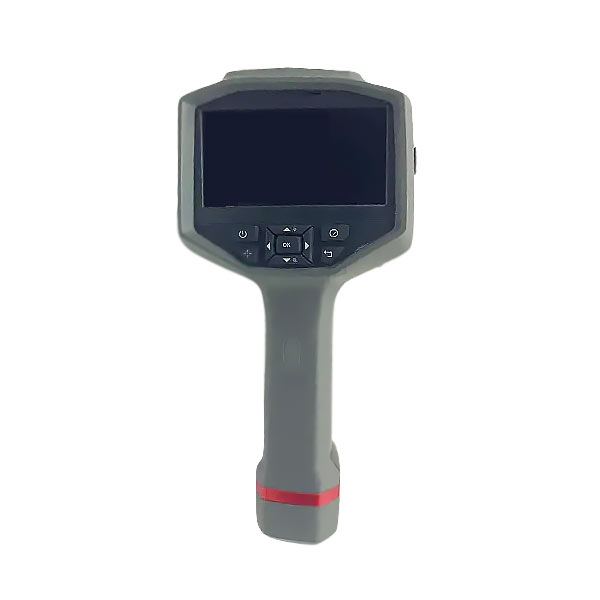
The MarMonix HTV 340 LPRO is the professional flagship of the MarMonix handheld thermal range — a higher-resolution, higher-sensitivity imager built for inspectors who need to see more detail, more clearly, on demanding electrical, mechanical, and building work. Where an entry imager confirms a fault, the HTV 340 LPRO helps you characterise it. This guide explains what sets the HTV 340 LPRO apart, who should choose it, and how to get the most from a professional-grade thermal camera.
To compare it with the rest of the line-up, see our thermal imaging camera buyer’s guide and the full thermal cameras category. For the current specification and price, visit the HTV 340 LPRO product page.
What the HTV 340 LPRO Is
The HTV 340 LPRO is a handheld professional thermal camera positioned at the top of the MarMonix handheld range. It is designed for users who run thermal inspection as a core part of their job — predictive-maintenance teams, electrical inspectors, building diagnosticians, and energy auditors — rather than as an occasional check.
Who it is for
Choose the HTV 340 LPRO when image clarity and sensitivity matter: finding the early, subtle temperature differences that signal a developing fault, producing client-ready reports, and inspecting complex assemblies where a sharper image saves time and avoids ambiguity. If you bill for inspection, the better image often pays for itself in faster, more confident diagnosis.
Why a Higher-Tier Camera Matters
Higher detector resolution
A higher-resolution detector captures more thermal pixels across the scene, which means finer detail, the ability to inspect from a safer distance, and clearer separation of closely spaced components. You see the real shape of a thermal pattern, not a coarse blob.
Better thermal sensitivity
Sensitivity is what reveals subtle faults. A more sensitive detector distinguishes smaller temperature differences, which is exactly what building-envelope surveys and early-stage mechanical wear demand — the faults that a less sensitive camera simply cannot see.
Professional imaging tools
Flagship imagers add multiple colour palettes, image fusion that blends thermal with visible light, and on-screen analysis such as movable spot markers and area min/max — tools that turn a picture into a measurement you can act on in the field.
Typical Applications
Predictive and electrical maintenance
Track equipment health over time, catch developing hotspots in switchgear and motors early, and trend findings across successive inspections to plan repairs before failure.
Building and energy diagnostics
Detect insulation defects, thermal bridging, air leakage, and moisture through small temperature differences that a high-sensitivity camera resolves clearly.
Industrial inspection and reporting
Produce auditable, professional reports with sharp imagery and annotated measurements that clients and compliance teams can rely on.
Where It Fits in the MarMonix Range
The HTV 340 LPRO is the step-up choice above the everyday MTV 256 PRO. If you specifically need Wi-Fi and PC reporting software, consider the MTV-320 Pro; for ultra-portable, phone-based imaging, see the MTV-ONE PRO. Match the resolution and sensitivity to how demanding your inspections really are.
How to Get Accurate Results
Even the best camera depends on good technique. Let it acclimatise to ambient temperature, set the correct emissivity, and compensate for reflected temperature on shiny surfaces. Inspect under normal operating load, keep the image in sharp focus, and record ambient conditions so each reading is meaningful in context.
Reporting workflow
Capture a fused thermal-and-visual image of each finding, mark the hottest point on screen, and note the load and location. A consistent workflow is what makes a professional report defensible.
Strengths, Limitations, and Value
Strengths
The HTV 340 LPRO’s strengths are image clarity, sensitivity, and professional analysis tools — everything you need to find subtle faults and prove them. For inspection professionals, it is built to earn its keep.
Limitations
It is a premium tool, so for occasional, straightforward checks the more affordable MTV 256 PRO may be all you need. Buy the tier that matches the work, not the spec sheet.
Total value
For teams that inspect regularly, the time saved by a sharper, more sensitive image — and the credibility of better reports — typically outweighs the higher purchase price over the camera’s working life.
Choosing Between the MarMonix Thermal Models
MarMonix offers a clear ladder of thermal cameras, and picking the right rung saves both money and frustration.
By image quality
If your work hinges on resolving fine detail and subtle temperature differences — complex switchgear, building envelopes, predictive maintenance — the HTV 340 LPRO’s higher resolution and sensitivity are the deciding factors. For routine fault confirmation, the everyday tier is enough.
By workflow
If you need wireless transfer and PC reporting software, the MTV-320 Pro is built around that workflow; if portability dominates your day, the MTV-ONE PRO clips to your phone. The HTV 340 LPRO is the choice when the image itself is the priority.
By how often you inspect
Frequency is the simplest guide: occasional checks are well served by an entry imager, while daily, billable inspection justifies the flagship. Buying for your real workload — not the best possible spec — is how you get the most value.
Frequently Asked Questions
How is the HTV 340 LPRO different from the MTV 256 PRO?
It is the higher-tier professional model, prioritising greater detector resolution, sensitivity, and imaging tools for demanding, regular inspection work.
Is it suitable for building energy surveys?
Yes — higher sensitivity is exactly what building-envelope surveys need to reveal small temperature differences from insulation gaps and moisture.
Do I need professional reporting features?
If you produce reports for clients or compliance, on-screen analysis and image fusion make findings clearer and faster to document.
How do I keep readings accurate?
Set the correct emissivity, compensate for reflections, inspect under normal load, and keep the target in focus.
Can the HTV 340 LPRO be used for spot temperature checks too?
Yes. Although it is built for detailed inspection, it works just as well for quick spot checks, giving you one camera that covers both routine and demanding tasks.
Related Guides and Models
Compare every option in our thermal imaging cameras buyer’s guide, explore the power quality analyzers guide for electrical diagnostics, or browse the full thermal cameras category.