
MarMonix MDCS Dual-View Inspection Camera (100-300m): Guide
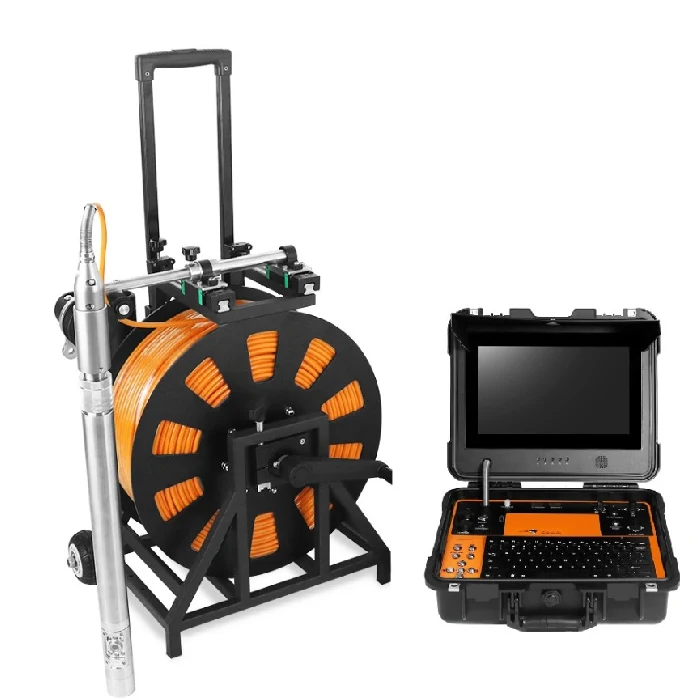
The MarMonix MDCS Series Dual-View Rotating Inspection Camera System is built for the deepest, most demanding inspections. With dual-view optics, full 360° rotation, a 13″ HD display, DVR recording, and cable options from 100 m up to 300 m, it reaches where ordinary cameras cannot — boreholes, deep pipelines, wells, and long drainage runs. This guide explains what the dual-view system does, who needs it, and how to use it to capture clear, recordable results at depth.
To compare it with shorter-reach systems, read our video borescope buyer’s guide and browse the video borescopes category. For the current specification and price, visit the MDCS Dual-View product page.
What the MDCS Dual-View System Is
The MDCS Dual-View is a long-range, deep-inspection camera system on a heavy-duty cable. Its defining features are a dual-view, rotating camera that can look both forward and to the side, and a cable long enough to descend or travel hundreds of metres. It is the tool for inspections that are simply out of reach for a handheld scope or a shorter pipe camera.
Who it is for
It suits borehole and well surveyors, deep-drainage and sewer contractors, and industrial and utility teams who inspect long pipelines, shafts, and bores — and who must record detailed evidence of condition at significant depth.
Key Features and What They Mean
Dual-view with 360° rotation
Dual-view and rotation transform deep inspection. A forward view guides the camera down the bore, while a rotating side view examines the wall in detail — and full 360° rotation means you can inspect the entire circumference without retrieving and repositioning the whole cable. At depth, that saves enormous time and effort.
100 m to 300 m cable
Cable options from 100 m to 300 m let you reach genuine depth in boreholes, wells, and long pipelines. Choose a length that comfortably exceeds the depth or distance you need to inspect.
13″ HD display and DVR
A large 13″ HD display shows fine detail clearly even on site, and built-in DVR recording captures the full descent and inspection. For deep work, recording is essential — you cannot easily go back for a second look, so capturing everything the first time matters.
Typical Applications
Borehole and well inspection
Survey the condition of boreholes, water wells, and shafts at depth, examining the wall all the way down with the rotating side view.
Deep drainage and sewers
Inspect long sewer and drainage runs that exceed the reach of a standard pipe camera, locating blockages and damage far from the access point.
Industrial and utility pipelines
Assess long process and utility pipelines for internal condition without excavation, recording the entire run for analysis.
Where It Fits in the MarMonix Range
The MDCS Dual-View is the maximum-reach, deep-inspection choice. For shorter drain and duct runs up to 60 m, the MDCS Pipe Inspection System is more compact and economical. For short-reach inspection of machinery and assemblies, the handheld MVS 700 Series and MVS 600 Series videoscopes are the right tools. Match cable length and camera type to the depth and geometry of your inspection.
How to Get Good Inspection Results
Lower or feed the cable steadily and under control, use the forward view to navigate and the rotating side view to examine the wall, and record the entire run so nothing is missed. Track the depth or distance deployed so you can describe exactly where a defect lies. At depth, a well-located, fully recorded inspection is the difference between a useful survey and a wasted trip.
Managing long cable
Keep the cable clean and feed it smoothly to avoid snags, and let the camera settle before examining a feature. Controlled, patient deployment protects the system and produces a stable, readable image.
Strengths, Limitations, and Value
Strengths
Its strengths are exceptional reach, dual-view rotation, a large HD display, and full recording — a system built specifically for deep, detailed inspection. It does what no handheld or short-cable camera can.
Limitations
It is a specialised, larger system; for short runs or machinery internals, a pipe camera or handheld videoscope is more practical and economical. Choose the system that matches the depth of the job.
Total value
For surveyors and contractors working at depth, the ability to inspect and record hundreds of metres of bore or pipeline without excavation delivers value that quickly justifies the investment.
Planning a Deep Inspection
Inspections at 100 m or more reward preparation — a little planning prevents wasted descents and protects an expensive system.
Know your depth and access
Before you start, establish the depth or distance you need to reach and confirm the access point and bore diameter. Selecting a cable length with comfortable margin means you never run short mid-inspection. Matching the system to the bore up front is the single biggest factor in a smooth survey.
A methodical descent
Descend in controlled stages, pausing to rotate and examine features rather than rushing to the bottom. Use the forward view to navigate and the side view to inspect, and keep the recording running throughout. A steady, recorded descent captures everything the first time, which matters when a repeat trip is costly.
Documenting depth and condition
Log the depth at which each feature or defect appears, so your report pinpoints exactly where remedial work is needed. A clearly located, fully recorded survey turns raw footage into an actionable engineering record.
Frequently Asked Questions
How deep can it reach?
Cable options run from 100 m to 300 m, so you can inspect boreholes and pipelines at significant depth. Choose a length that exceeds your deepest expected inspection.
What is the advantage of dual-view rotation?
A forward view navigates the bore while a rotating side view inspects the wall, and 360° rotation lets you examine the full circumference without repositioning the whole cable.
Does it record the inspection?
Yes — built-in DVR recording captures video and stills of the entire run, which is essential when a second descent is impractical.
When should I choose this over the MDCS pipe system?
Choose the Dual-View for deep boreholes and very long pipelines; choose the pipe system for shorter drain and duct runs up to 60 m.
Related Guides and Models
Compare every option in our video borescopes buyer’s guide, see the laser distance meters guide, or browse the full video borescopes category.