

How to Choose a Multimeter: A Practical Buyer’s Guide
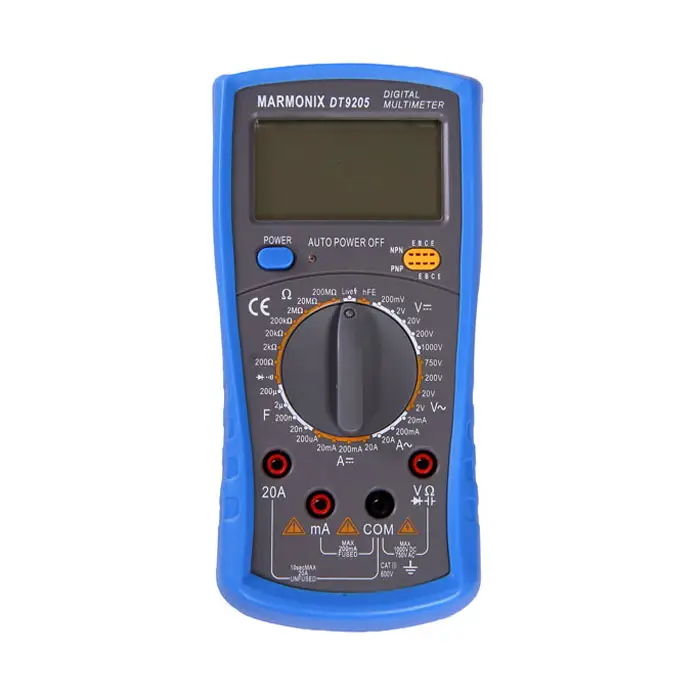
Choosing a multimeter can feel overwhelming with so many models and specs. This practical guide walks you through the decisions that actually matter so you buy the right meter the first time.
1. Decide What You’ll Measure
For general electrical work you need AC/DC voltage, current, resistance, and continuity. For electronics add capacitance and frequency; for HVAC add temperature. List your must-have functions first.
2. True-RMS or Not?
If you measure motors, drives, or electronic loads, choose true-RMS for accurate readings on distorted waveforms. Average-responding meters can read these incorrectly.
3. Counts & Accuracy
Counts (e.g. 4000, 6000, 20000) set resolution; accuracy (e.g. ±0.5%) sets precision. Higher is better for fine measurements.
4. Safety Category (CAT)
Match the CAT rating (II/III/IV) and voltage to your environment — higher categories are needed closer to the mains supply. Never use an under-rated meter.
5. Handy Extras
Auto-ranging, data-hold, NCV detection, backlight, and a rugged case make daily work faster and safer.
MarMonix Recommendations
See real model comparisons in the MarMonix multimeter buyer’s guide, or browse the multimeter range.
Part of: Electrical Test & Measurement Instruments — Complete Guide