
Electrical Test & Measurement Instruments: The Complete Guide
Electrical test and measurement instruments are the backbone of safe, reliable electrical work — from quick fault-finding to full installation testing and compliance. This guide gives an overview of the main instrument types, what each one is for, and how to choose the right tool. Explore the full range across the multimeters, clamp meters, insulation testers, and earth resistance testers categories.
Why the Right Instrument Matters
Accurate measurement keeps people safe, prevents downtime, and proves an installation meets standards. Using the correct, properly-rated instrument — and using it correctly — is the difference between a reliable result and a dangerous guess. Always match the instrument’s CAT safety rating to the circuit you are working on.
Core Electrical Instruments
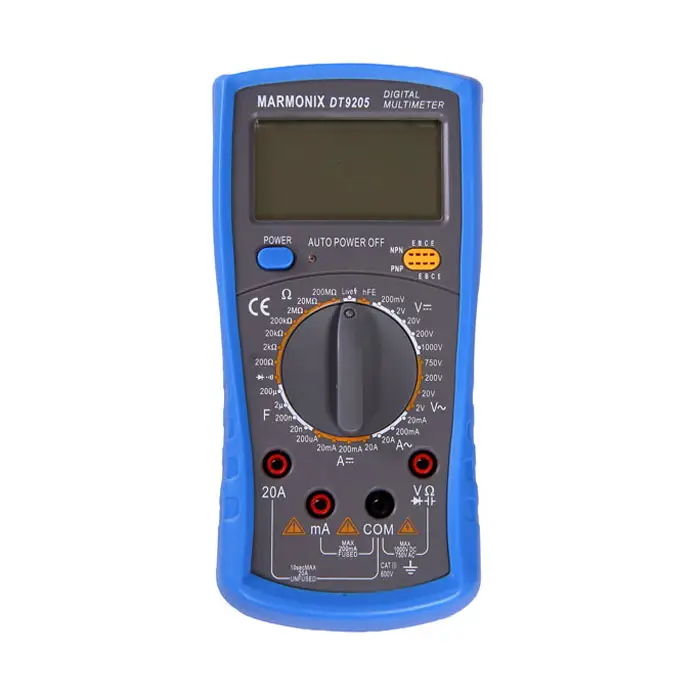
Digital multimeters
The everyday tool for measuring voltage, current, resistance, continuity, and more. A good true-RMS multimeter handles the majority of electrical diagnostics.
Clamp meters
Measure current without breaking the circuit by clamping around a conductor. Ideal for load checks and fault-finding on live systems — see the clamp meters range.
Insulation testers (Megger)
Apply a high DC voltage to verify insulation integrity on cables, motors, and installations. Essential for safety and compliance — browse insulation testers.
Earth resistance testers
Confirm that earthing and grounding systems will safely carry fault current. See the earth resistance testers category for 3-point and clamp-on options.
How to Choose the Right Tool
- Match the job — everyday diagnostics vs. installation/compliance testing need different instruments.
- Check the safety rating — choose an appropriate CAT rating and voltage range.
- Prioritise accuracy — true-RMS and good resolution matter on modern, non-linear loads.
- Think about workflow — data hold, backlight, and rugged build save time on site.
Build a Practical Toolkit
Most electricians and maintenance teams start with a quality multimeter and a clamp meter, then add insulation and earth testers as compliance work requires. Investing in dependable, well-rated instruments pays back quickly in safety, speed, and confidence.
Frequently Asked Questions
What is the most essential electrical test instrument?
A good true-RMS digital multimeter — it covers the widest range of everyday measurements.
What does the CAT rating mean?
It defines the measurement category and the transient voltage the instrument can safely handle; always match it to the circuit environment.
Do I need separate insulation and earth testers?
For installation and compliance work, yes — they measure different things that a multimeter cannot.