
Environmental & Physical Measurement Instruments: Complete Guide
Environmental and physical measurement instruments help professionals monitor the conditions around them — temperature, humidity, light, sound, air quality, and more. They are essential in HVAC, industrial hygiene, laboratories, building management, and quality control. This guide outlines the main instrument types and how to choose the right one. Browse related ranges such as thermometers, moisture meters, lux meters, sound level meters, and air quality detectors.
Why Environmental Measurement Matters
Conditions like temperature, humidity, and air quality affect comfort, safety, product quality, and energy efficiency. Reliable measurement turns guesswork into data — helping teams meet standards, troubleshoot problems, and prove compliance.
Main Instrument Types
Temperature & humidity
Thermometers and thermo-hygrometers monitor heat and moisture for HVAC, storage, and process control. See the thermometers range.
Light measurement
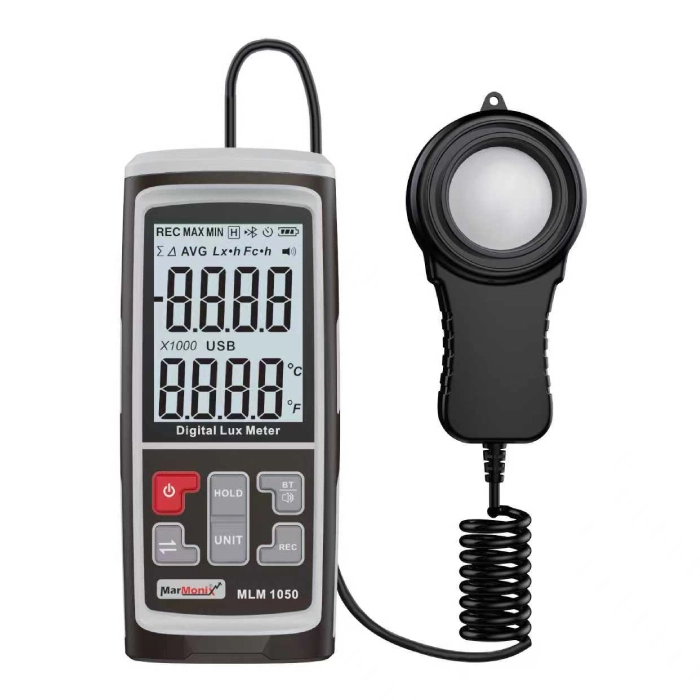
Lux meters measure illuminance to ensure workplaces and public spaces meet lighting standards — explore lux meters.
Sound level
Sound level meters assess noise exposure for workplace safety and environmental compliance — see sound level meters.
Air quality & moisture
Air quality detectors and moisture meters monitor pollutants, ventilation, and dampness in buildings and materials.
How to Choose the Right Instrument
- Define what you need to measure — and the accuracy and range required.
- Consider the environment — portable handheld vs. continuous monitoring.
- Check calibration and standards — important for compliance and audits.
- Look at logging — data logging helps track trends over time.
Putting It Together
Whether you manage a building, run a lab, or maintain industrial processes, the right environmental instruments give you the data to act with confidence. Start with the measurements most critical to your work and expand as needed.
Frequently Asked Questions
Which environmental instrument is most commonly needed?
Temperature and humidity monitoring is the most widely used across HVAC, storage, and process applications.
Do I need a data-logging model?
If you need to track conditions over time or prove compliance, a logging instrument is well worth it.
How often should these instruments be calibrated?
Follow the manufacturer’s guidance and any standard relevant to your industry; periodic calibration keeps readings trustworthy.