
Best Gas Detectors in 2026: How to Choose (Buyer’s Guide)
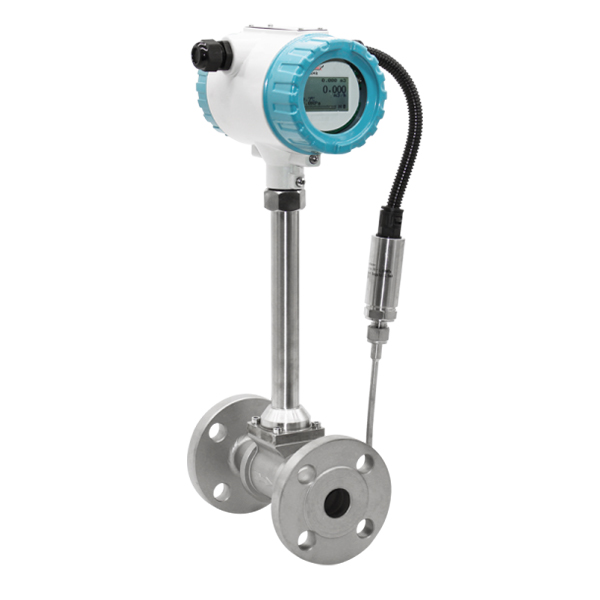
A gas detector is a life-safety instrument first and a diagnostic tool second. Whether you are protecting workers from toxic exposure, watching for a combustible build-up, or pinpointing an expensive SF6 leak in switchgear, the right detector depends on the gas you are targeting and the job you are doing. This 2026 guide explains the detection technologies, the specifications that matter, and how to choose — including where the MarMonix infrared SF6 detector fits.
Getting this choice right is not optional: the wrong sensor type can simply fail to see the hazard in front of it. Match the technology to the target gas, then to your alarm and durability needs.
What a Gas Detector Does
A gas detector continuously samples the surrounding air and warns you — visually, audibly, and by vibration — when a target gas crosses a preset threshold. Instruments fall into two broad jobs: area and personal safety monitoring, and leak location.
Safety monitoring
Here the goal is to keep people safe by alarming before a toxic or combustible level becomes dangerous. Reliability and fast response are everything.
Leak location
Here the goal is to find where a gas is escaping, often to stop costly losses of refrigerant or insulating gas. Sensitivity and a directional probe matter most.
Detection Technologies Explained
Electrochemical
Best for toxic gases such as carbon monoxide and hydrogen sulphide. These cells are accurate at low concentrations but have a finite service life.
Catalytic bead (pellistor) and infrared
Used for combustible gases. Catalytic sensors are proven and economical; infrared (NDIR) sensors do not require oxygen, are immune to poisoning, and excel at detecting specific gases such as CO₂ and refrigerants.
Infrared for SF6 and refrigerants
Infrared is the technology of choice for SF6 and many refrigerant gases. It responds only to the target gas’s specific absorption band, giving a stable, selective reading that resists false alarms from other vapours — ideal for high-voltage switchgear maintenance.
Photoionisation (PID)
A PID detects volatile organic compounds (VOCs) at very low levels, making it valuable for industrial hygiene and environmental work.
Key Specifications to Compare
Target gas and measuring range
Confirm the detector is specified for your exact gas and that its range spans both your alarm threshold and worst-case concentration.
Response time and alarms
A fast response time shortens your exposure window. Look for clear multi-level alarms (audible, visual, vibrating) and adjustable set-points.
Calibration and bump testing
Every safety detector needs periodic calibration and a quick bump test before use to prove the sensor and alarms still work. Easy calibration lowers your cost of ownership.
Build, sampling, and battery
For field use, prioritise an ingress-protected housing, a flexible sampling probe for leak hunting, and battery life that covers a full shift.
How to Choose by Use Case
High-voltage and switchgear maintenance
An infrared SF6 detector with a sensitive probe is the correct tool for locating insulating-gas leaks safely and selectively.
Confined-space and worker safety
Choose a multi-gas monitor with the relevant toxic and combustible sensors and loud, unmistakable alarms.
HVAC and refrigeration
A refrigerant leak detector with good sensitivity finds losses quickly and protects system efficiency.
The MarMonix Gas Detector
For selective, stable leak detection, the MarMonix MSF6-2000 Portable Infrared Gas Detector uses infrared sensing to target its specified gas with high selectivity and a flexible probe for pinpointing leaks in switchgear and industrial plant. Browse related instruments in the gas detectors category. Confirm the target-gas specification matches your application before purchase.
Why infrared for leak hunting
Because the MSF6-2000 responds to a specific absorption band, it resists nuisance alarms from unrelated vapours, giving you confidence that a reading is real — which matters when a false trail wastes hours around energised equipment.
How to Use a Gas Detector Safely
Always bump test before each use, allow the sensor to warm up and zero in clean air, and approach a suspected leak from upwind. Never rely on smell or a single reading near a potential hazard, and follow your site’s confined-space procedures without exception.
Single-Gas vs. Multi-Gas Monitors
One of the first decisions is how many hazards a single instrument must watch at once, and the answer shapes both cost and workflow.
Single-gas instruments
A single-gas detector is focused, affordable, and simple to operate — ideal when one specific hazard dominates, such as an SF6 leak in switchgear or carbon monoxide in a boiler room. Fewer variables means fewer false alarms and easier calibration.
Multi-gas instruments
A multi-gas monitor typically combines oxygen, a combustible (LEL) channel, and one or two toxic sensors, which is the standard for confined-space entry. The trade-off is higher cost and more sensors to maintain.
Diffusion vs. pumped sampling
A diffusion instrument senses the air around it and suits personal monitoring, while a pumped unit draws a sample through a probe — essential for pre-entry testing of a space before anyone goes in.
Total Cost of Ownership
The purchase price is only part of the picture. Factor in sensor replacement intervals, calibration gas, and bump-test frequency. A slightly more expensive instrument with longer-life sensors and easy calibration often costs less over its working life.
Frequently Asked Questions
How often should a gas detector be calibrated?
Follow the manufacturer’s interval — commonly every 6 to 12 months — and bump test before each use to confirm sensor and alarm function.
Why infrared instead of a catalytic sensor?
Infrared sensors do not need oxygen, cannot be poisoned, and respond selectively to a specific gas, which makes them ideal for SF6 and refrigerant detection.
Can one detector cover every gas?
No single sensor suits all gases. Match the sensor technology to your target gas, or use a multi-gas monitor configured for your specific hazards.
What is the difference between LEL and ppm readings?
LEL (lower explosive limit) measures combustible gas as a percentage of the level at which it could ignite, while ppm (parts per million) measures the absolute concentration of a toxic gas. Combustible hazards are tracked in percent LEL; toxic exposure is tracked in ppm.
Related Buyer’s Guides
Explore our Thermal Imaging Cameras guide, the Power Quality Analyzers guide, or browse every model in the gas detectors category.