
MarMonix MVS 600 Series Ultra-Slim Videoscope: Buyer’s Guide
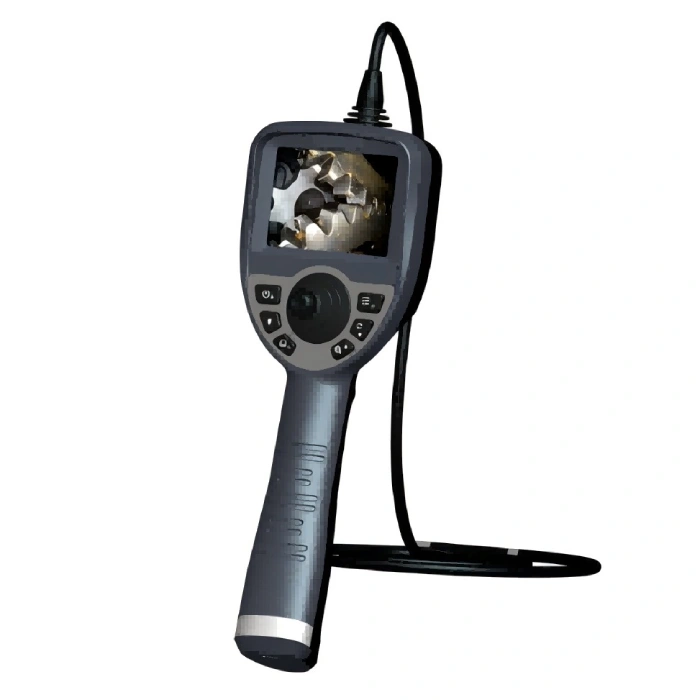
The MarMonix MVS 600 Series is an ultra-slim, modular industrial videoscope designed around flexibility. A single handheld host accepts interchangeable probes from 1.0 mm to 8.0 mm, so one durable, field-ready tool can reach from the tightest spark-plug hole to a roomy gearbox. This guide explains what makes the MVS 600 Series so adaptable, who benefits most from it, and how to get reliable inspection results.
To compare it across the range, read our video borescope buyer’s guide and browse the video borescopes category. For the current specification and price, visit the MVS 600 Series product page.
What the MVS 600 Series Is
The MVS 600 Series is a modular videoscope built for access. Its defining feature is the single host, many probes design — you buy one durable handheld unit and add the probe diameters and lengths your work requires, rather than owning several separate scopes.
Who it is for
It suits technicians who inspect a wide variety of equipment — automotive, manufacturing, HVAC, and general maintenance — where access points range from very small to moderately large and one flexible tool is more practical than many fixed ones.
Why Modularity and Slim Probes Matter
A 1.0 mm to 8.0 mm probe range
Access is the first rule of borescope inspection. With probes from just 1.0 mm up to 8.0 mm, the MVS 600 Series reaches through the tiniest ports a fixed-diameter scope could never enter, while still offering larger probes with brighter light for roomier cavities. One host genuinely covers the full range of everyday access challenges.
One host, many jobs
The modular design means you are not buying a new instrument for every task. Swap the probe, keep the familiar host, and your team only has to learn one tool. That simplicity lowers both cost and training time.
Ultra-slim, field-ready durability
The slim form factor makes the MVS 600 easy to handle in awkward positions, while its rugged, field-ready build stands up to daily site use. Portability and toughness together make it a practical everyday inspection tool.
Typical Applications
Automotive and small engines
Inspect cylinders, valves, and injectors through small ports with the slimmest probes — exactly where a thicker scope cannot reach.
Manufacturing and assembly
Check bores, threads, channels, and small cavities across a variety of parts using whichever probe fits.
HVAC and general maintenance
Examine ducts, housings, and machinery internals with a single adaptable tool that travels easily between jobs.
Where It Fits in the MarMonix Range
The MVS 600 Series is the flexible, access-focused choice. For a premium host with a large HD touchscreen and very bright illumination, step up to the MVS 700 Series; for long pipe and drain runs, the MDCS Pipe Inspection System and MDCS Dual-View systems are purpose-built. Match probe diameter and reach to your access points first.
How to Get Good Inspection Results
Choose the smallest probe that still gives a usable image for each access point, feed it gently to avoid kinking, and adjust the light before judging an area clear. With very slim probes, take extra care — they are delicate — and keep the camera in focus. Note the orientation of each finding so the image is meaningful when you review it later.
Working with fine probes
The 1.0 mm probe opens up access that larger scopes cannot match, but it rewards a steady, patient hand. Slow, deliberate movement protects the probe and produces a clearer, more stable image.
Strengths, Limitations, and Value
Strengths
The MVS 600’s strengths are its exceptional access range, modular economy, and slim, durable design. For technicians who face varied access challenges, it is one of the most versatile tools available.
Limitations
For very long pipe runs, a push-rod pipe system is the correct tool, and for the largest, most demanding inspections the premium MVS 700 host offers a bigger screen and brighter light. Match the system to the job.
Total value
Because one host serves many probes, the MVS 600 Series spreads its cost across many tasks — a genuinely economical way to equip a team for varied inspection work.
Common Mistakes to Avoid
A few avoidable errors account for most disappointing borescope inspections, and they are easy to design out of your routine.
Wrong probe for the access
Choosing a probe too large to enter or too short to reach is the most common regret. Always measure the access point and required reach before selecting a probe — the MVS 600’s range makes this easy, but only if you check first.
Inspecting in poor light
Judging an area clear before adjusting the illumination hides defects in shadow. Set the light properly and look again before concluding a surface is sound.
Forcing the probe
Pushing a probe — especially a fine one — around a tight bend risks damage and a poor image. Back off, find a better entry, and feed gently. Patience protects both the tool and the quality of your inspection.
Frequently Asked Questions
What is the smallest access it can reach?
With a 1.0 mm probe, the MVS 600 Series reaches through extremely small ports that fixed-diameter scopes cannot enter.
Do I need to buy multiple scopes?
No — the modular host accepts interchangeable probes from 1.0 mm to 8.0 mm, so one unit covers a wide range of jobs.
Is it durable enough for daily site use?
Yes. It is built field-ready for everyday professional use, though the finest probes should be handled with care.
How do I choose a probe diameter?
Measure your smallest realistic access point and choose the slimmest probe that still gives a usable image; use larger probes where access allows for brighter light.
Can one MVS 600 host serve a whole team?
Yes. Because the host is shared and only the probes change, a team can standardise on one familiar instrument and keep a set of probes for different access needs, which lowers both cost and training time.
Related Guides and Models
Compare every option in our video borescopes buyer’s guide, see the coating thickness gauges guide, or browse the full video borescopes category.